Training & Education
Drama Therapy Training Programs
NADTA-approved graduate programs, professional workshops, and online courses for aspiring and practicing drama therapists.
NADTA-approved graduate programs, professional workshops, and online courses for aspiring and practicing drama therapists.
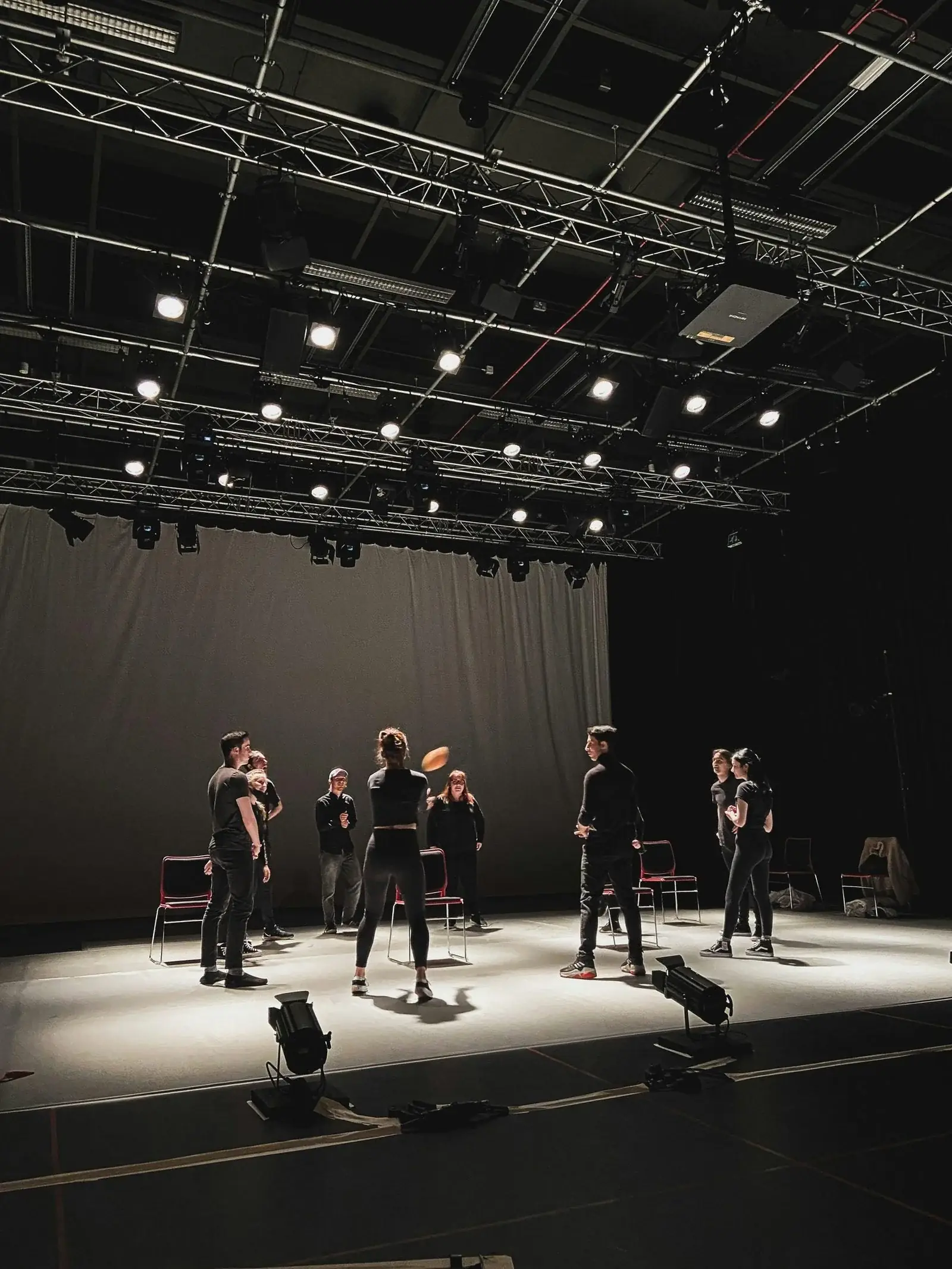
Each route to the RDT credential. Verify current status with NADTA before you apply.
| Program | Location | Degree | Known for |
|---|---|---|---|
| New York University | New York, NY | MA in Drama Therapy | Role Theory lineage (Landy); social-justice framework |
| CIIS | San Francisco, CA | MA in Drama Therapy | Emunah's Integrative Five Phase model; somatic/expressive integration |
| Lesley University | Cambridge, MA | MFA, Expressive Therapies | All five creative-arts modalities under one roof |
| Antioch University | Seattle, WA | MA, Counseling / Drama Therapy | Counseling integration; community practice; social justice |
| Kansas State University | Manhattan, KS | Graduate, Drama Therapy / Theatre | Theatre-integrated training; accredited since 2019 |
| Concordia University | Montréal, QC | MA, Creative Arts Therapies | Only NADTA program in Canada; bilingual; research-strong |
Six NADTA-approved graduate programmes in North America: New York University, California Institute of Integral Studies (CIIS), Lesley University, Antioch University Seattle, Kansas State University, and Concordia University. Four BADTh / HCPC-approved routes in the UK: Roehampton, Anglia Ruskin, Queen Margaret, and the Sesame Institute (delivered through the Royal Central School of Speech and Drama). Most programmes are 2 to 3 years and cost $30k to $70k total. Each programme is associated with a particular drama therapy lineage; choose accordingly.
The following programs are approved by the North American Drama Therapy Association (NADTA) and meet the academic requirements for the RDT credential. Always verify current approval status directly with NADTA before enrolling.
Degree: MA in Drama Therapy
Location: New York, NY (in-person)
Duration: 2 to 3 years full-time
Unique strengths: One of the oldest and most prestigious programs in the world. Faculty include Robert Landy (founder of Role Theory) and Nisha Sajnani (former NADTA president). Strong research focus, major urban clinical placement opportunities, access to NYU's broader arts and humanities community.
Notable: The NYU program pioneered the integration of drama therapy with social justice frameworks.
Degree: MA in Drama Therapy
Location: San Francisco, CA (in-person)
Duration: 2 years
Unique strengths: Integrative, somatic-oriented approach. Faculty include Renée Emunah (developer of the Integrative Five Phase model). Strong emphasis on personal development alongside clinical training. CIIS's broader culture values cross-disciplinary work and personal-growth-oriented training.
Notable: Particularly strong in expressive arts integration; graduates often work in community and international settings.
Degree: MFA in Expressive Therapies (Drama Therapy specialization)
Location: Cambridge, MA (hybrid options available)
Duration: 2 to 3 years
Unique strengths: Lesley is one of the leading expressive arts therapy institutions in the world, with programs in all five creative arts therapies. Drama therapy students benefit from cross-disciplinary training and a rich expressive arts community. MFA program includes significant creative practice alongside clinical training.
Notable: Strong options for those wanting to integrate multiple creative arts therapy modalities.
Degree: MA in Counseling with Drama Therapy specialization
Location: Seattle, WA
Duration: 2 to 3 years
Unique strengths: Antioch's progressive education philosophy creates a program that is deeply student-centered and socially conscious. Integrates drama therapy with counseling training, preparing graduates for both the RDT credential and state counseling licensure.
Notable: Accredited by NADTA since 2018. Emphasizes community-based practice and social justice applications.
Degree: Graduate program in Drama Therapy / Theatre
Location: Manhattan, KS
Duration: 2 to 3 years
Unique strengths: Integrates drama therapy training within a theatre department, providing strong theatrical grounding alongside clinical preparation.
Notable: The newest NADTA-accredited program, approved in 2019.
Degree: MA in Creative Arts Therapies (Drama Therapy option)
Location: Montreal, Quebec, Canada
Duration: 2 years
Unique strengths: The only NADTA-approved program in Canada. Bilingual environment (French/English). Strong research culture and links to the Montreal arts community.
Notable: Graduates are recognized by both NADTA in North America and practice in the Canadian mental health system.
Outside North America, drama therapy training is governed by different professional bodies. In the UK, the British Association of Dramatherapists (BADTh) accredits programs, and "dramatherapist" is a protected title regulated by the HCPC.
Leads to HCPC registration, not the NADTA RDT credential.
| Institution | Location | Award | Known for |
|---|---|---|---|
| Roehampton University | London | MA in Dramatherapy | Largest UK programme; broad clinical placements |
| Anglia Ruskin University | Cambridge | MA in Dramatherapy | Research-integrated training; East Anglia placements |
| Queen Margaret University | Edinburgh | MSc in Drama Therapy | Only Scottish training route |
| Sesame Institute | London | Diploma, Drama & Movement Therapy | Jungian, movement-based lineage (Billy Lindkvist) |
A UK MA does not carry across to the NADTA RDT credential without additional US-based supervised hours, and vice versa. If you expect to move between regions during your career, research the reciprocity path before you commit to a programme.
For credentialed practitioners seeking CEUs, or professionals exploring drama therapy methods.
For practitioners who want to develop drama therapy skills without a full graduate program, or for RDTs seeking continuing education, the following online learning options are available:
NADTA offers workshops, webinars, and conference sessions that count toward continuing education requirements for RDTs. The annual NADTA conference is the largest gathering of drama therapists in North America and includes training intensives with leading practitioners.
PESI is one of the largest continuing education providers for mental health professionals in the US. They regularly offer workshops on creative approaches to therapy, expressive arts, and drama-based interventions that may count toward licensure renewal.
While formal drama therapy training requires accredited programs, online platforms like Udemy offer introductory courses in improv therapy, theatre games for therapeutic use, and expressive arts, useful for practitioners exploring these methods or for curious students.
You're not just picking a school, you're picking a lineage. Landy's Role Theory at NYU, Emunah's Integrative Five Phase model at CIIS, expressive-arts integration at Lesley, counseling integration at Antioch, narradrama at Concordia. Your training shapes how you'll think for the next thirty years.
When evaluating programs, consider:
Most programs strongly recommend prospective students attend an open day or information session before applying, and speak with current students and alumni. The personal fit between student and program matters enormously in an experiential, relationship-based training.
Strong drama therapy graduate applications typically demonstrate:
NADTA-accredited graduate programs in North America include: New York University (MA in Drama Therapy), California Institute of Integral Studies. CIIS (MA in Drama Therapy), Lesley University (Expressive Therapies with drama therapy concentration), Antioch University in Seattle (MA in Counseling with drama therapy specialization), Kansas State University (Drama Therapy / Theatre), and Concordia University in Canada. Always verify accreditation status directly with NADTA as programs can change.
Most drama therapy graduate programs take 2-3 years to complete full-time. They combine academic coursework, clinical practicum placements (supervised client hours), and personal development work. Part-time options typically extend the program to 3-4 years. The RDT credential requires completion of an approved program plus additional post-graduation supervised hours.
Fully online NADTA-approved drama therapy master's programs are limited, as the embodied and practical nature of the training requires in-person components. Some programs offer hybrid formats combining online coursework with in-person intensives. Online CPD (continuing professional development) courses and workshops are widely available for credentialed practitioners through NADTA, PESI, and specialist providers.
Yes. Drama therapy training in the UK leads to registration with the BADTh (British Association of Dramatherapists) rather than NADTA's RDT credential. Approved UK programs include those at Roehampton University, Anglia Ruskin University, and others approved by the BADTh and Health and Care Professions Council (HCPC). In the UK, drama therapy is a protected title regulated by the HCPC.
Most NADTA-approved programs require: a bachelor's degree (in any field, though psychology, theatre, social work, or education is common), documented experience in both theatre/performance and working with people in care, care, or educational settings, and personal therapy experience. Some programs require a minimum GPA and letters of recommendation. Theatre training hours documented before or during the program are also required for RDT credentialing.